We gather data objectively from the latest available sources and share what we find useful.
We hope it helps anyone looking for a home in Japan, or considering a business built around property.
We believe property investment is a wonderful thing. We are not only agents; we invest in rental property ourselves.
This autumn we signed a contract to buy a new apartment building before completion. We are treating it as an open case study. In real time, we will record how one new rental building gets started, goes up, appoints its management company, lets its rooms at whatever pace the market allows, and finally settles into actual income and costs.
That includes the gap between our first projections and the real results, wherever it falls. The aim is a column about property investment built on real numbers rather than theory.
The plan at purchase
Here is the business plan as it stood when we committed, in the measures an investor would use. We are keeping the total price private; all figures are for the first year after completion at 95% occupancy.
The financing is close to, but not quite, a full loan: the deposit is our only equity, and the rest is the bank’s own lending with no guarantee company involved. And because we are buying directly from the developer, there is no brokerage commission. Both make a real difference to the numbers.
At the same time, a DSCR of about 1.19 and a debt service ratio of about 61% do not leave a wide margin for vacancies or rising rates. With financing this close to 100%, producing real cash flow takes serious management. Keeping vacancies short, holding costs down and preparing for rate changes, consistently, is what we see as the key to this investment. If rates move, we will rerun the cash flow at each milestone.
Some running costs are placeholders until the management company quotes. What makes this column worth following is simple: will the plan hold? Once real rents and real costs are known, we will set them side by side with it.
The building
A three-storey timber apartment building for single residents in a residential area near Tokyo, mostly studio (1K) units, due for completion in spring 2027. It is a 10-minute walk from the station, and from there about 40 minutes to central Tokyo (Nagatacho) without changing trains. We will not name the location or the building, out of respect for the privacy of future residents.
- 10 minutes on foot from the station; about 40 minutes to central Tokyo (Nagatacho) with no change, on a weekday morning
- Highest grade for durability (Grade 3 for deterioration countermeasures), certified at both design and construction stage
- Electronic auto-lock, parcel lockers and colour video intercom
- Low-E glass in every window
- Bathroom dryer, reheating bath, separate washbasin and bidet toilet
- Air conditioning, induction hob and internet installed
Grade 3 is the top level under Japan's housing performance labelling system for slowing deterioration of the structure. For a timber building we intend to hold for many years, durability is not a detail; it feeds straight into the numbers.
What comes next
At each milestone we will record what we have learned and what the numbers say. All dates are current plans.
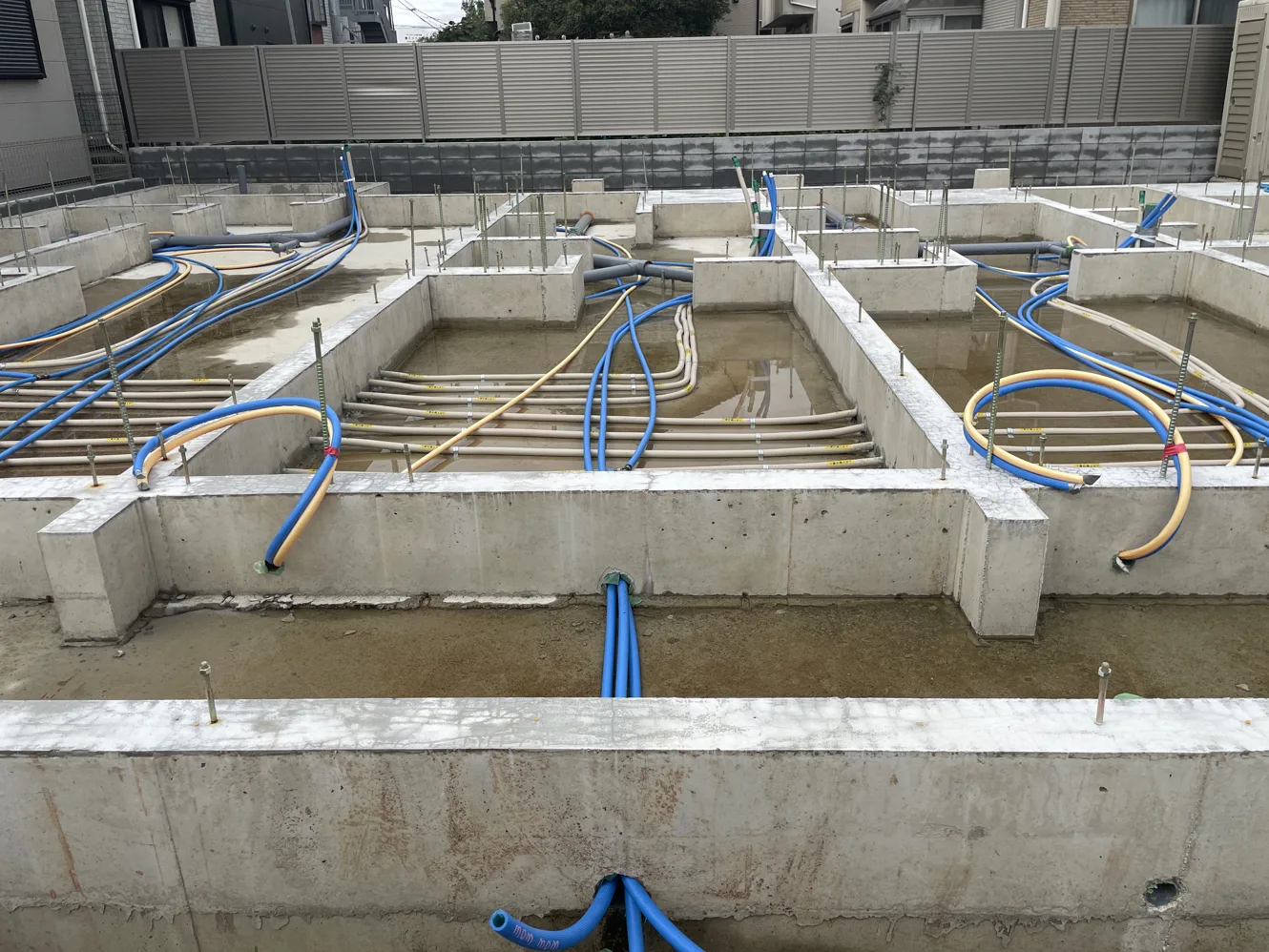
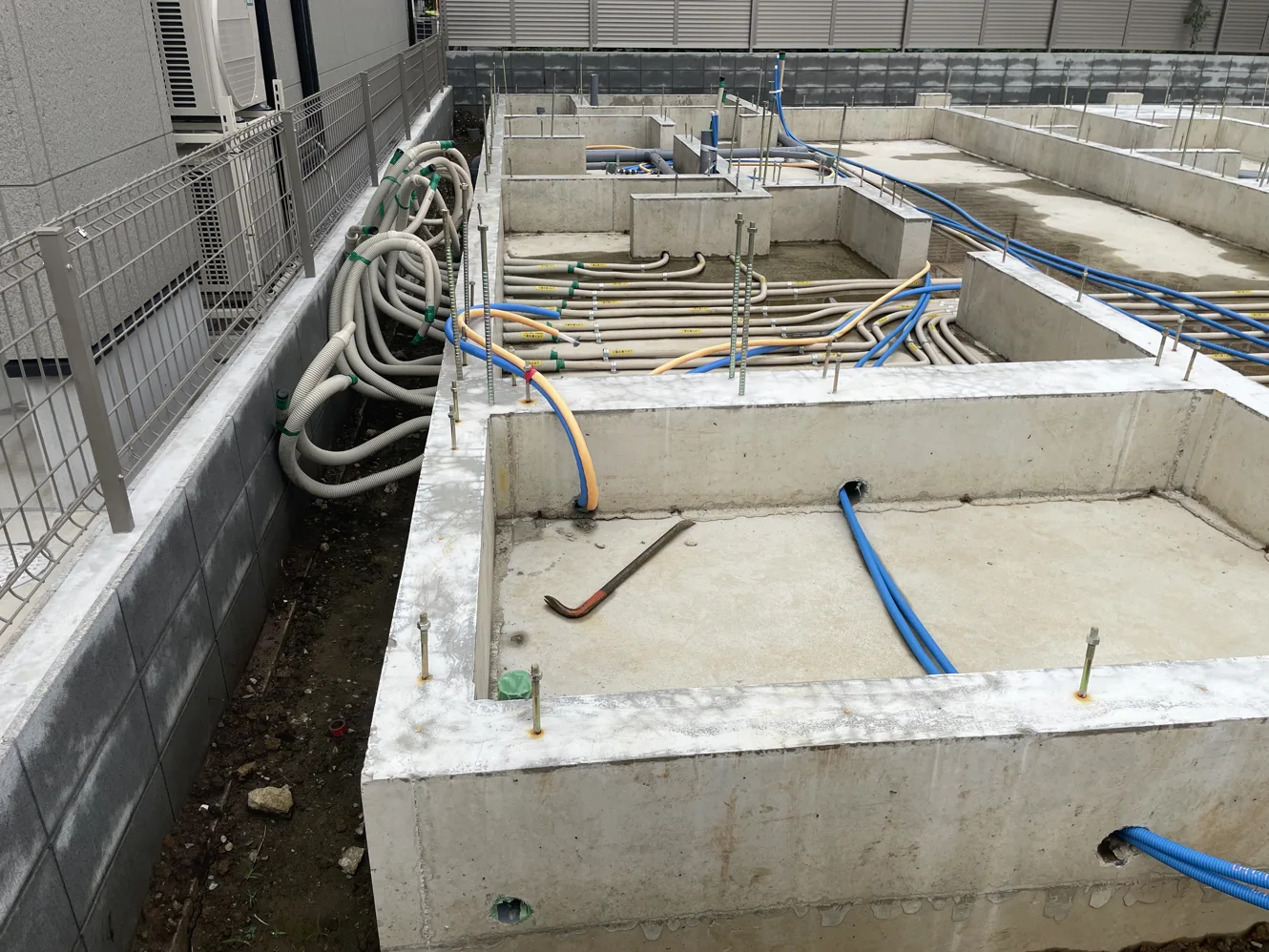
- Oct 2026Foundation complete (this article)
- Nov 2026Framing complete
- Spring 2027Completion and pre-handover inspection — what we check, following the actual inspection.
- Around completionManagement company and letting terms — who we appoint, on what terms, and how the rents were set.
- Summer 2027Handover and the start of letting
- Until fullHow fast the rooms let — achieved rents, days to let, advertising costs and vacant periods, against the plan.
- Year oneFirst-year results — rent, costs, interest and cash left over, and why they differed from the plan.
We will record what goes wrong as well as what goes right. If you are considering an income property in Japan, we hope this becomes a useful real-world example. Questions about buying or running one are always welcome by e-mail.
Figures are plans at the time of purchase and do not guarantee future rent, occupancy or returns. General information only, not legal, tax or investment advice.