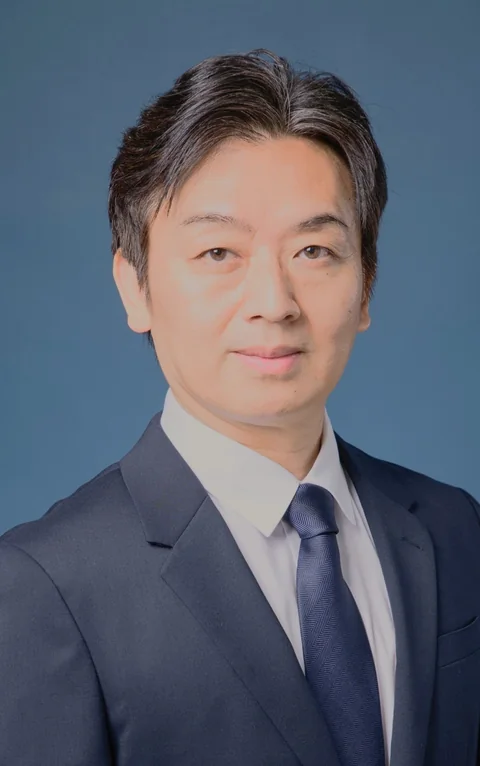
Ken Aoki, real estate agent at RE/MAX INTERFACE, Tokyo

Ken Aoki — an English-speaking real estate agent in Tokyo

A licensed agent who checks the numbers with you before you buy.

I’m a licensed real estate transaction specialist at RE/MAX INTERFACE in Tokyo. I lived abroad for 19 years, in Australia, the United States and China, and I work in English, Japanese and Chinese.

I also own and operate rental housing in Japan, so I look at a purchase the way an owner does.

Why I started

I began as a property investor. As I grew my portfolio, I came to see how rewarding real estate can be — and I realised that my years of living abroad could help people from overseas who want to buy here. That is why I started working as an agent, supporting international clients.

LICENCES
Licensed Real Estate Transaction Specialist · Certified Rental Property Manager · Rental Housing Maintenance Specialist
HOLIDAY HOMES
Support for buying a holiday home anywhere in Japan — how I help
BROKERAGE
RE/MAX INTERFACE — International Interface Co., Ltd., Tokyo Governor (3) No. 96857
Registered RE/MAX agent — profile on remax.com
EDUCATION
The Australian National University — Economics and Asian Studies
YEARS ABROAD
19 years — Canberra 6, San Diego 2, New Jersey 3, Shanghai 8
CAREER
Real Estate Investor: planning and operating 45 rental units in Greater Tokyo
Previously with Japanese, American and German companies, including overseas assignments
LANGUAGES
English (I work directly in English) · Japanese (native) · Chinese (HSK Level 6; an interpreter joins when needed)

If you are looking for a home

I help people find a home in Tokyo, a second home, or a holiday home in a resort area.

Looking for a home in Japan from overseas is not simple. The language is different, and so is the way things work.

Especially when you buy a condominium, past data can tell you a great deal. In a market as large as Tokyo, looking closely at the information shows you roughly what a fair price is, and also:

  • how the building is managed, and its repair fund
  • whether the building can be kept in good shape in the years ahead
  • what the surrounding area is like
  • if you already have a home in mind, whether its price is reasonable

Being able to choose a home through this kind of data-based analysis is, I believe, my strength, especially for people from overseas.

Homes I’ve viewed and filmed

For buyers who are overseas, I view homes in person and film a walk-through of each one.

MY CASTLE NISHIMAGOME · Ota-ku, Tokyo
GREEN CAPITAL KAMIIKEDAI · Ota-ku, Tokyo
NISHIKAWAGUCHI PARK HOUSE · Kawaguchi, Saitama

The most recent ones. The full walk-through is on each home’s page.

Two facts

Foreigners can buy property in Japan. There is no restriction by nationality or residence. The step-by-step guide for overseas buyers.

Brokerage fees are capped by law. For homes above ¥4 million: 3% of the price plus ¥60,000, plus consumption tax.

Articles for home buyers

Articles I have written, grouped by what you may be deciding.

The basics
The market
Older buildings

If you are looking for an investment property

Buying an investment property is not simple, especially in another country. The culture, the laws, the way things are done and the taxes are all different. When you are considering property as an investment, I believe it is best to search with an agent who has invested himself.

Many investment properties cannot be advertised, and very few are advertised in English. I search with you, including those, and stay with you until we find the property you are looking for.

Owned & operated

Investment condominiums

I check whether the price is reasonable, the building’s management condition and local rental demand.
Owned & operated

Whole rental buildings

Beyond the gross yield, I go through the real return with you, including running costs, repairs and resale.

Owned & operated

Land use & new rental buildings

I compare keeping, building and selling, with long-term projections based on stated assumptions.

Renovation

Full renovation

For a house or an apartment: where to spend first, how to use subsidies, and the costs beyond the works.
Case study 1: full renovation of a 1989 timber house

Detached house, built 1989About 3½ months, start to handover

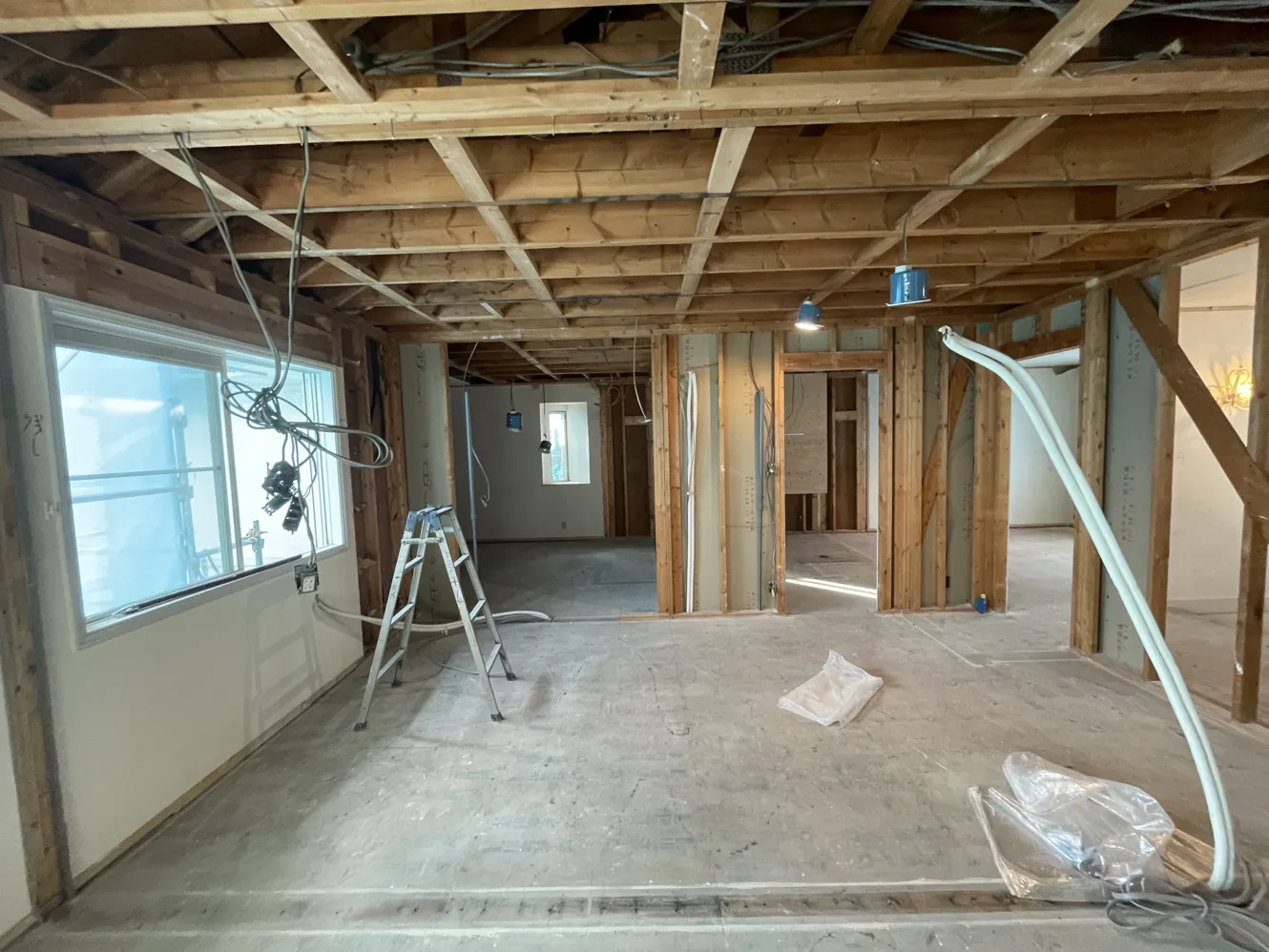
House interior stripped to the timber frame, with floors, walls and ceilings removed
01 Floors, walls and ceilings removed
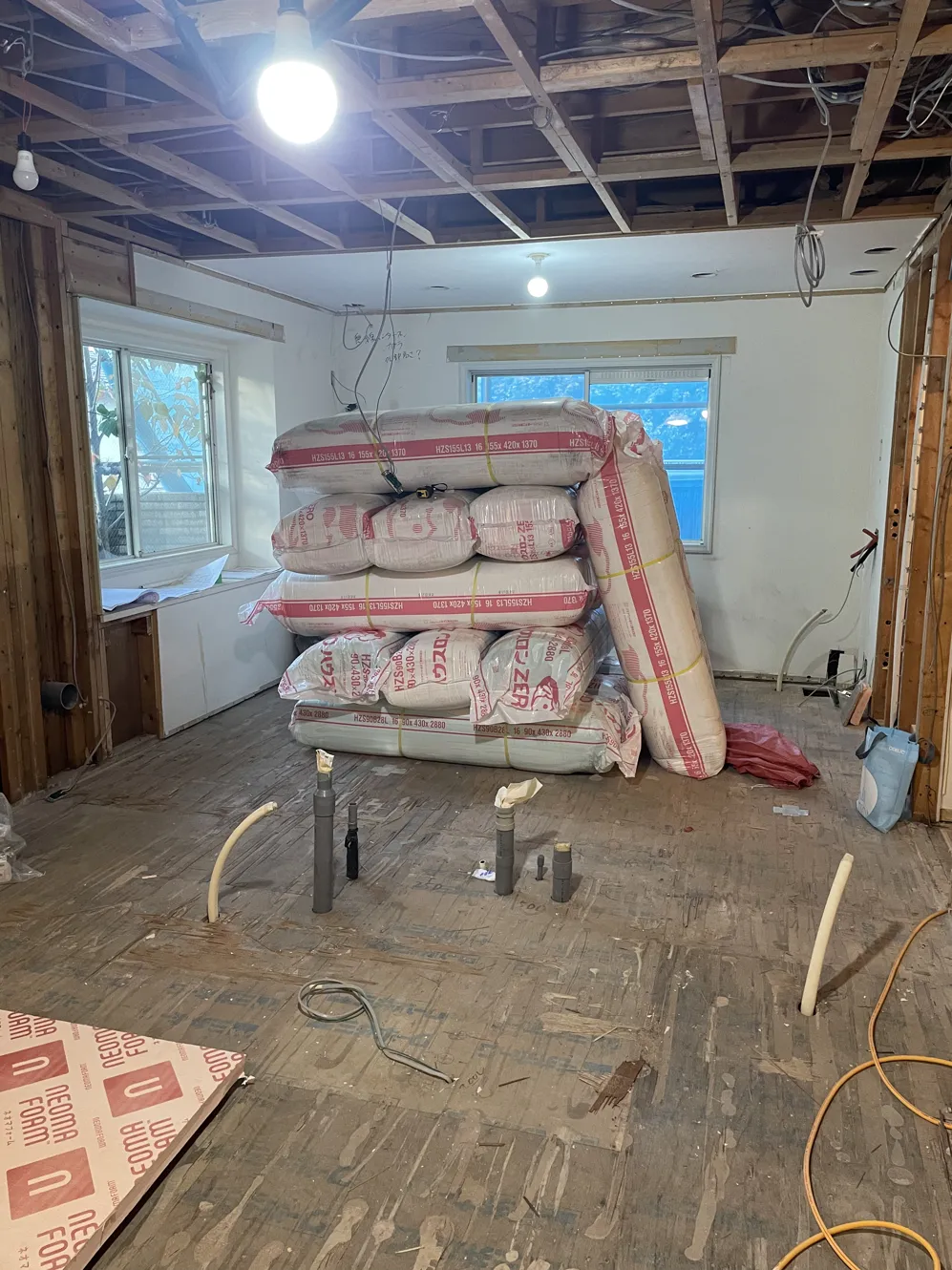
New insulation stacked in a room while the frame is open
02 New insulation while the frame was open
Room with new wooden floors, before handover
03 New floors, before handover
  • Spend first where it is hidden. Exterior walls and roof repainted; every visible interior finish renewed. The budget went first to insulation, pipework and wiring, which can only be reached while the walls are open.
  • Inner windows as the default. Replacing outer frames and shutters usually means opening up the exterior wall, and costs rise sharply. Here only a few were replaced; the rest were fitted with double-glazed inner windows, which qualify for the national subsidy.
  • Set the specification around the subsidies. National and Tokyo insulation subsidies can be substantial, and better insulation directly improves comfort. The budget is best allocated around qualifying specifications, with ZEH-level (net zero energy house) insulation as the benchmark.
  • Costs during the works. During the works the house can be neither lived in nor let, while property tax and loan repayments continue. Set the move-in, letting or sale date first and budget for the months in between.

Subsidies used on this property

National · Advanced Window RenovationDouble-glazed inner windows on almost every window, and a qualifying front doorabout ¥1.1 million
National · energy-saving renovationEnergy-saving worksabout ¥0.2 million
Tokyo · insulation retrofit (Cool Net Tokyo)Insulation in every room replaced to Japan’s “next-generation” energy-saving standard; ground floor insulated from belowabout ¥1.6 million
Totalabout ¥3 million

Windows and doors are covered only if the model qualifies, so the specification must be fixed before the contract. Tokyo’s subsidy requires proper photographs of the works and a complete application; in this case it was approved about seven and a half months after handover. Schemes and amounts change every year.

The same check applies to a renovated apartment: look beyond the finishes to how much of the pipework and the floor and wall substrates has been renewed.
How to keep the cost down: our renovation know-how →

Case study 2: land use — new rental housing on a former parking lot

About 9 minutes’ walk from the station4 one-bedroom units (1LDK)Built on leased land

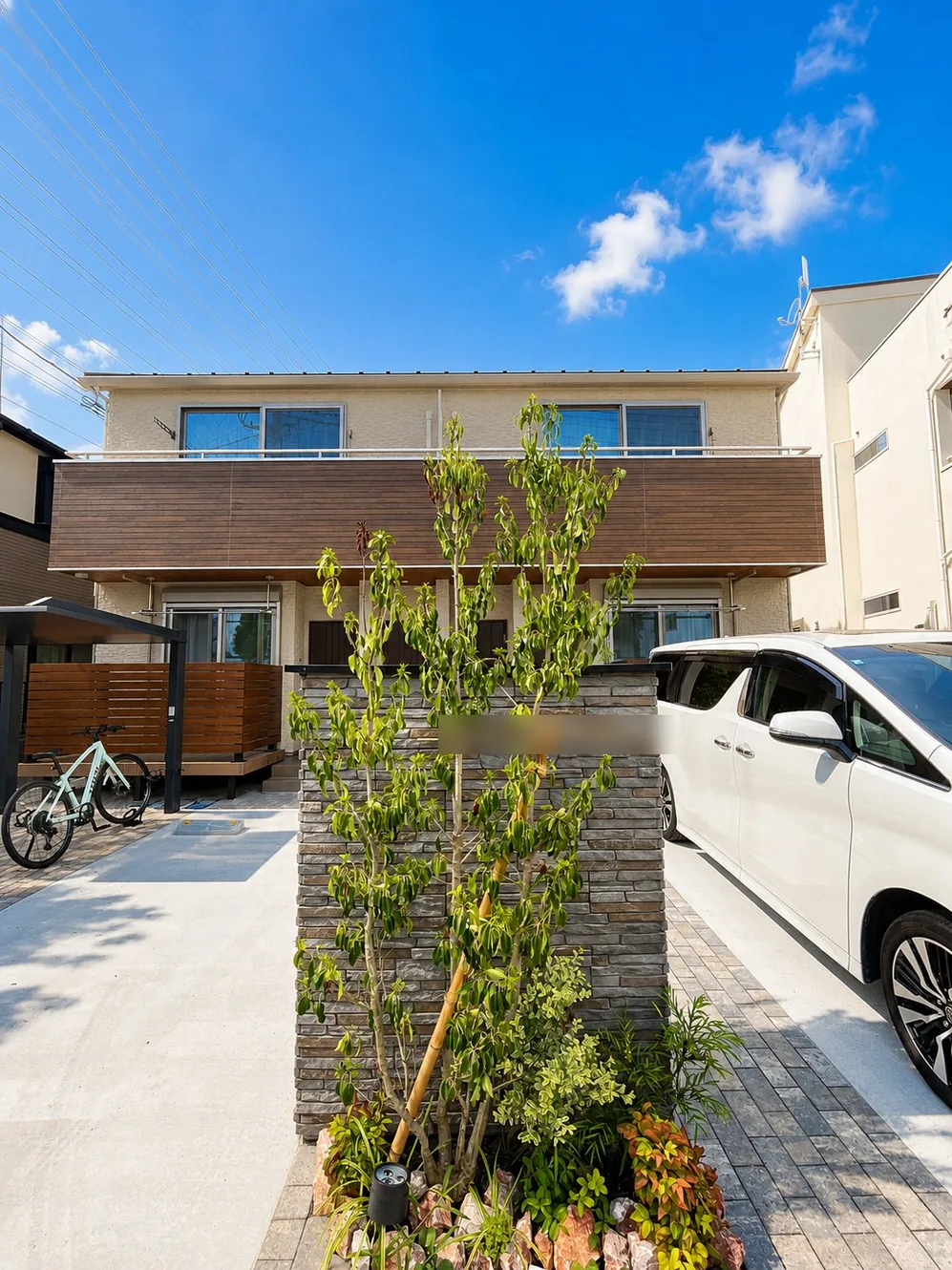
Exterior of the new rental building completed on a former parking lot
01 The completed building
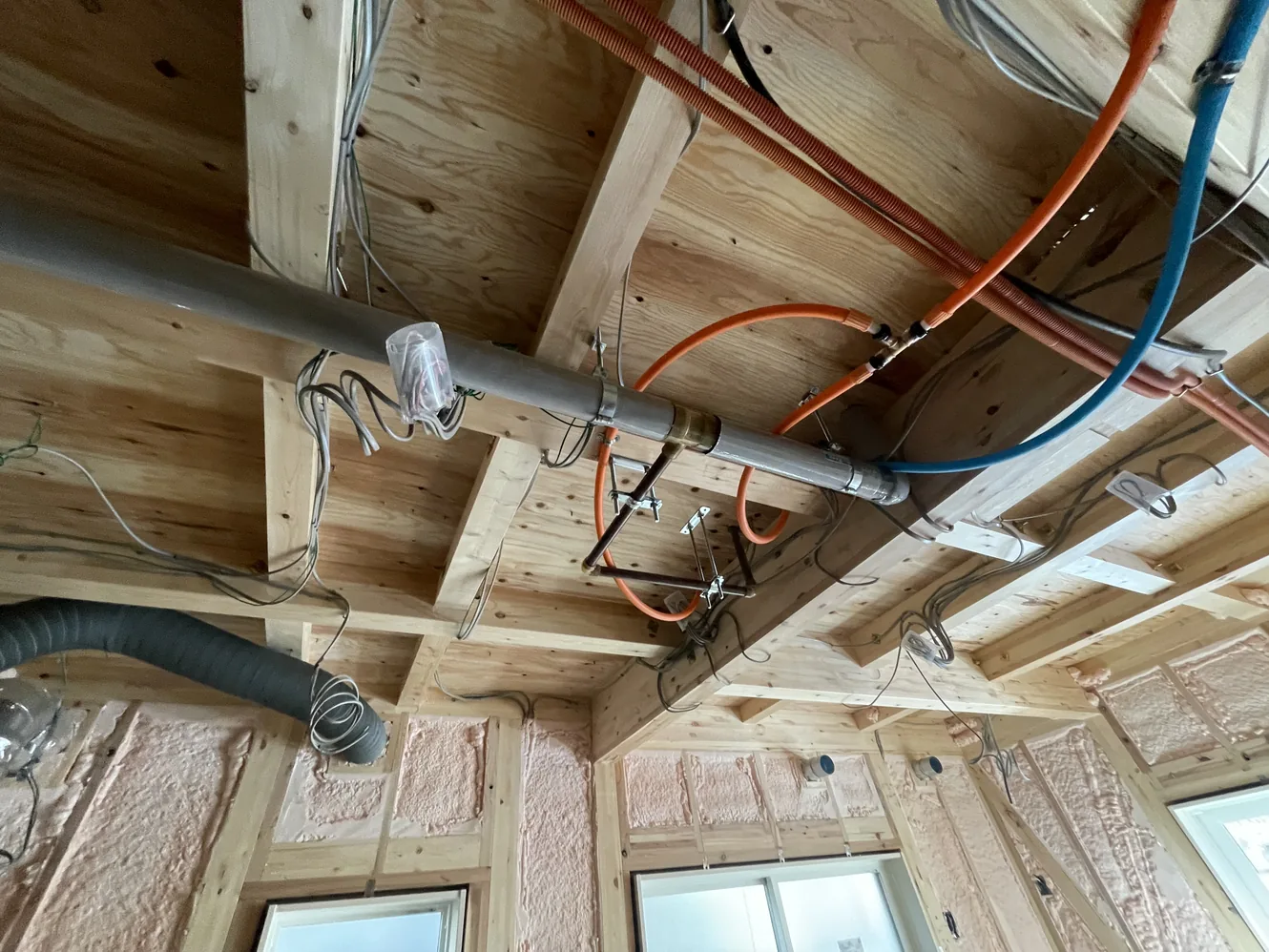
Water supply, drain pipes and wiring running through the ceiling void
02 Pipework checked before the interior closed it in
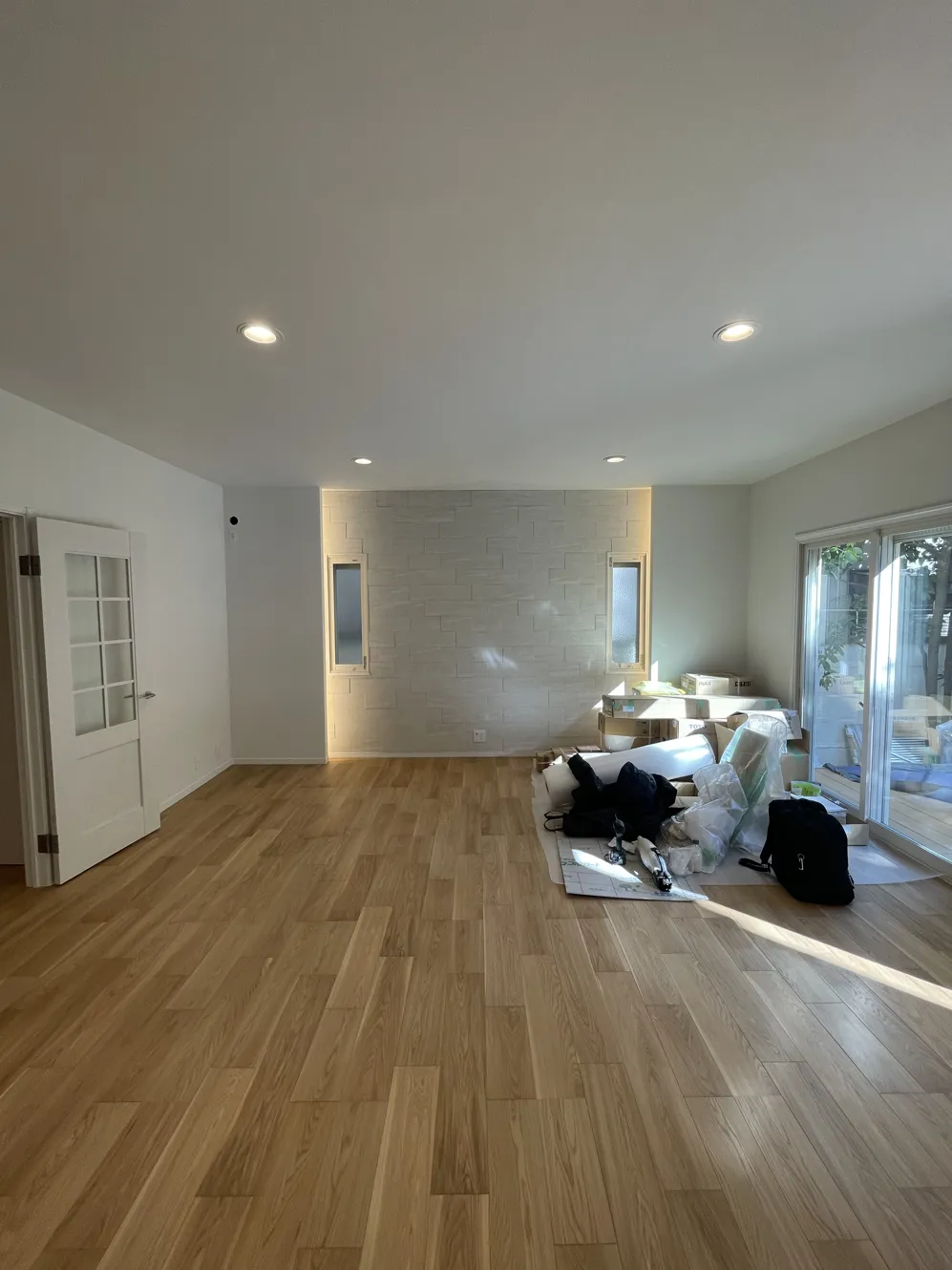
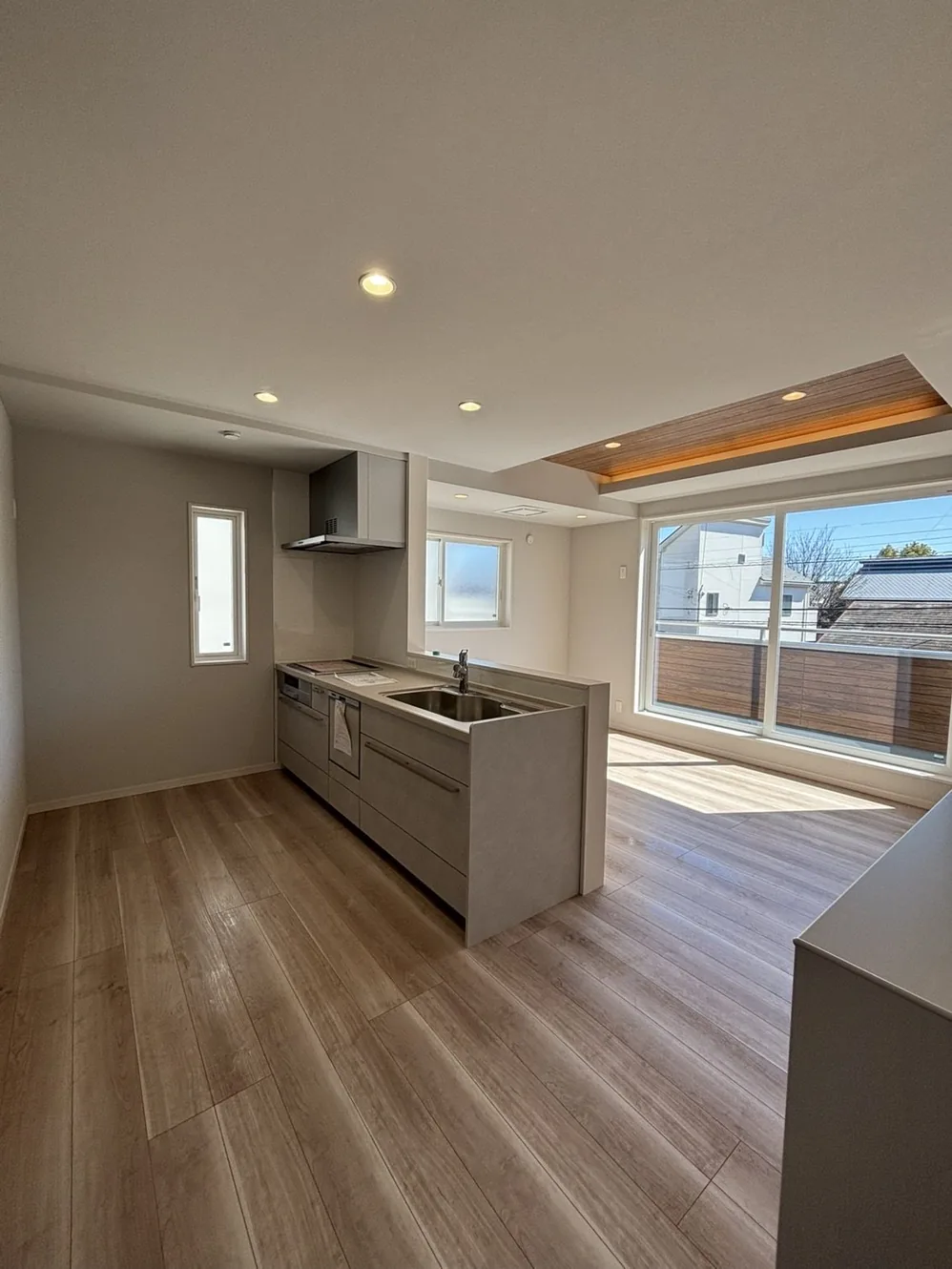
Kitchen and living area in a completed unit
03 Kitchen and living area
  • Why four one-bedroom units in timber. After comparing selling, holding and building, building was chosen. Local rental demand is strongest from singles and couples, and in an area full of studios a larger one-bedroom stands out. Four units made the best use of the floor area allowed by coverage, volume and height rules, and a timber frame kept the building cost down to protect the yield.
  • Compare several builders. Six approached, three proposals, one selected over about three months — compared on regulations, plan, performance and cost.
  • Build the specification in at the planning stage. Anything added later costs more, so as much as possible is decided while the building is being planned. Within the same scope of work, many features add little cost: a coffered ceiling, the position and number of indirect lights and power outlets, dimmable lighting. Each builder works with different equipment makers; the choice falls on widely used products that keep cost down without giving up quality.
  • What tenants choose, and leasing in parallel. A separate bathroom and toilet, parcel lockers, security cameras, sound insulation and high-speed internet are the baseline. To stand out, a market survey comes first; then come choices such as adding a dishwasher, how much to spend on the exterior and landscaping, and how to design it. Leasing starts once building approval is granted, with the management company chosen in advance, aiming for full occupancy at completion.

The way to win in property investment, in my view, is to own a building the local market chooses. Older buildings, and apartments that will get harder to let, need it most. That means thorough research beforehand and a clear decision on what to spend, and where.

Gross yield matters, but so do fewer move-outs, longer tenancies and units that let quickly. None of these shows up in a fully-let gross yield, yet their effect on returns is very large.

Read the full case study →

Articles for investors and land owners

Articles I have written, grouped by what you may be deciding.

Investors
Land owners

Contact

RE/MAX INTERFACE · International Interface Co., Ltd. · #402 Seizan, 2-26-32 Minami-Aoyama, Minato-ku, Tokyo 107-0062 · Real estate brokerage licence: Tokyo Governor (3) No. 96857