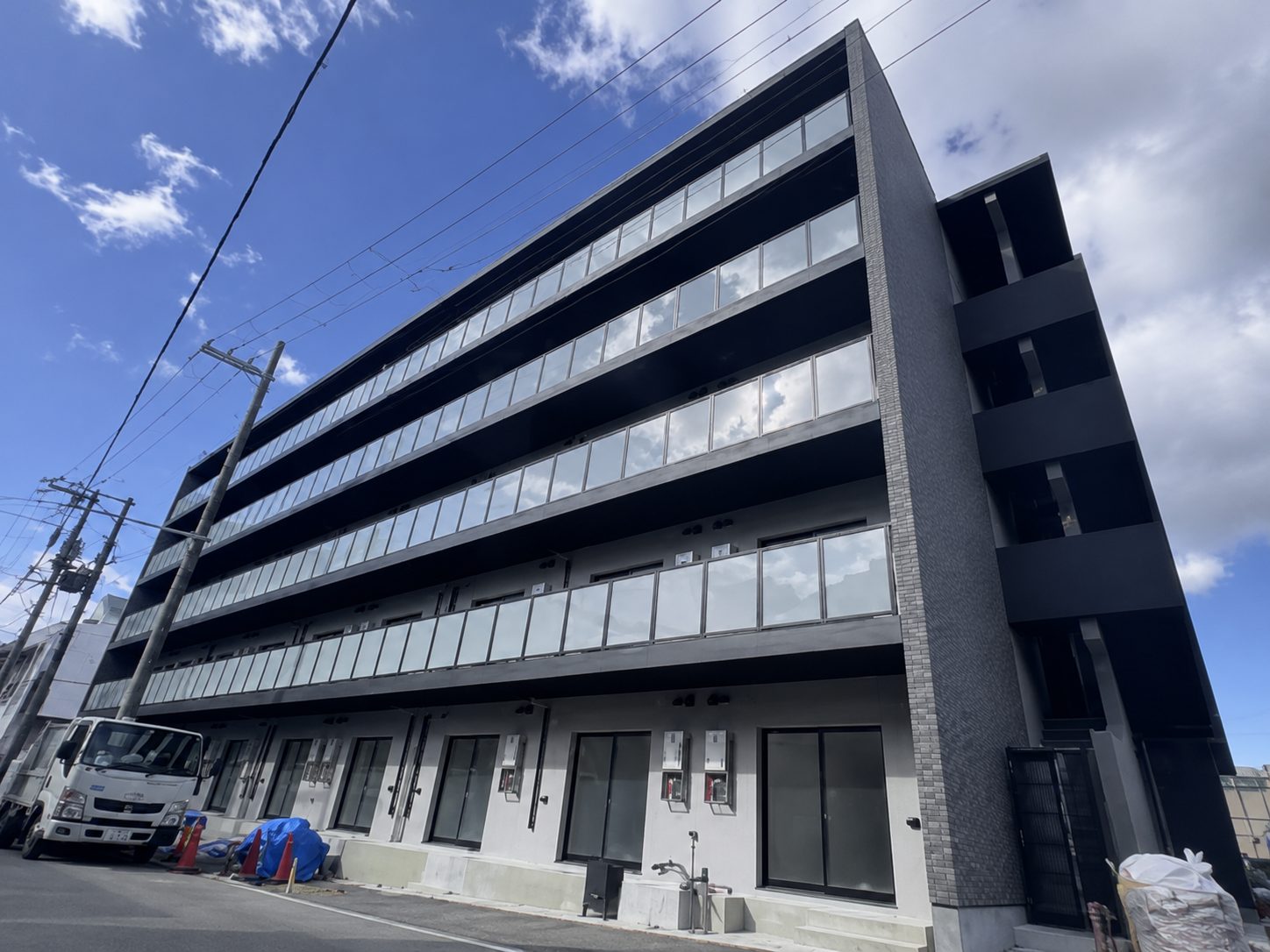
Selected images and diagrams are reproduced from materials provided through the listing partner.
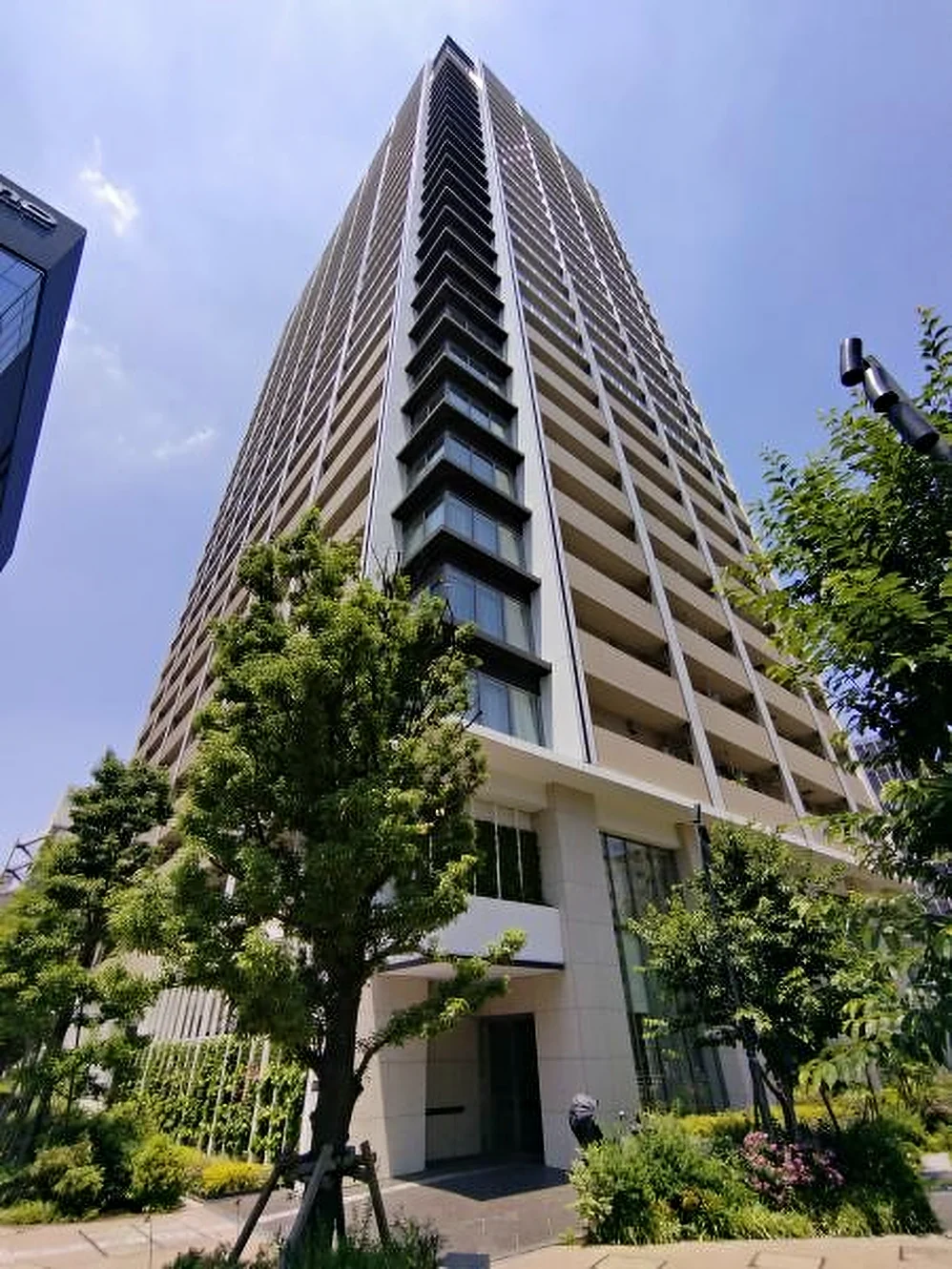
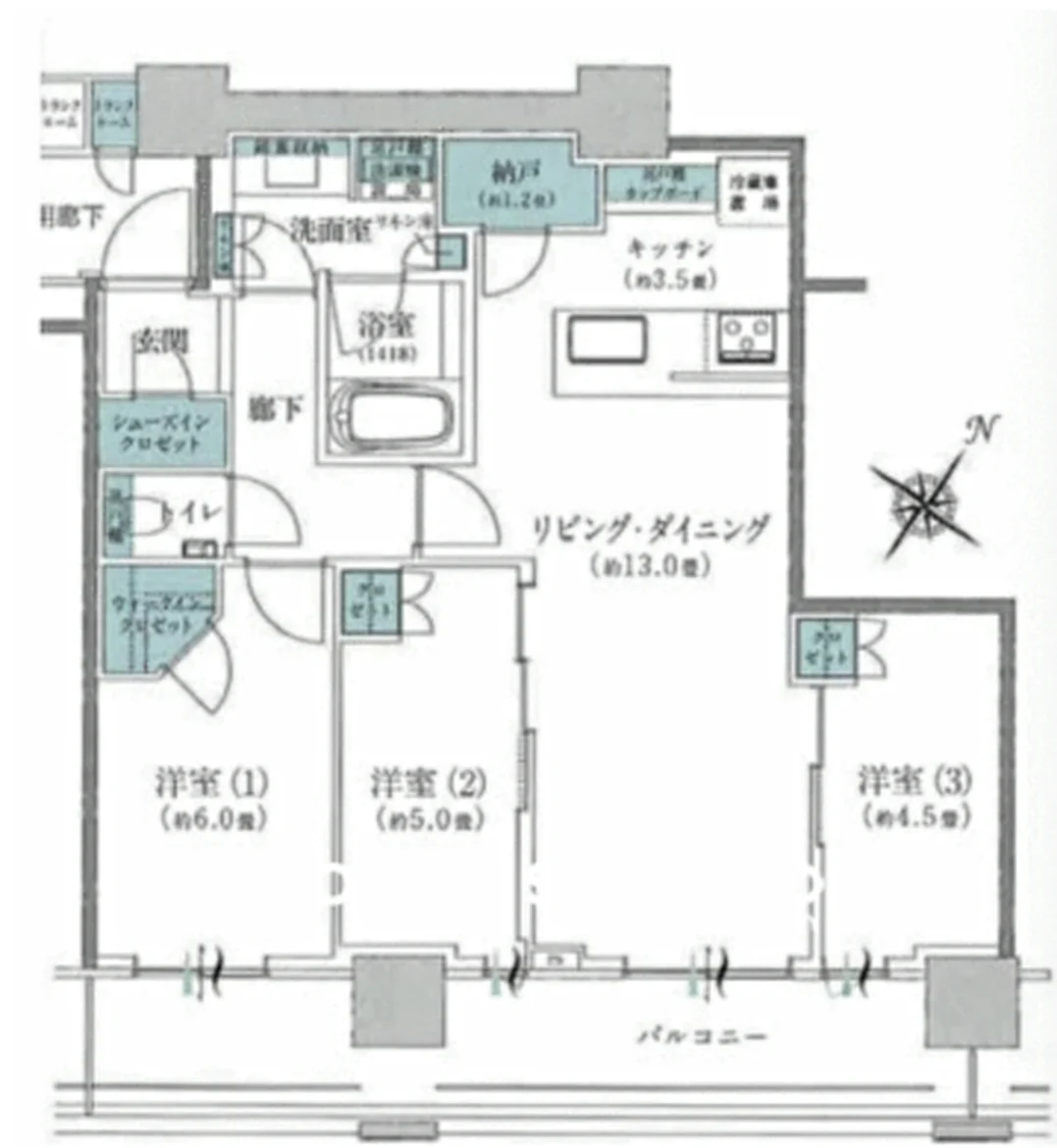
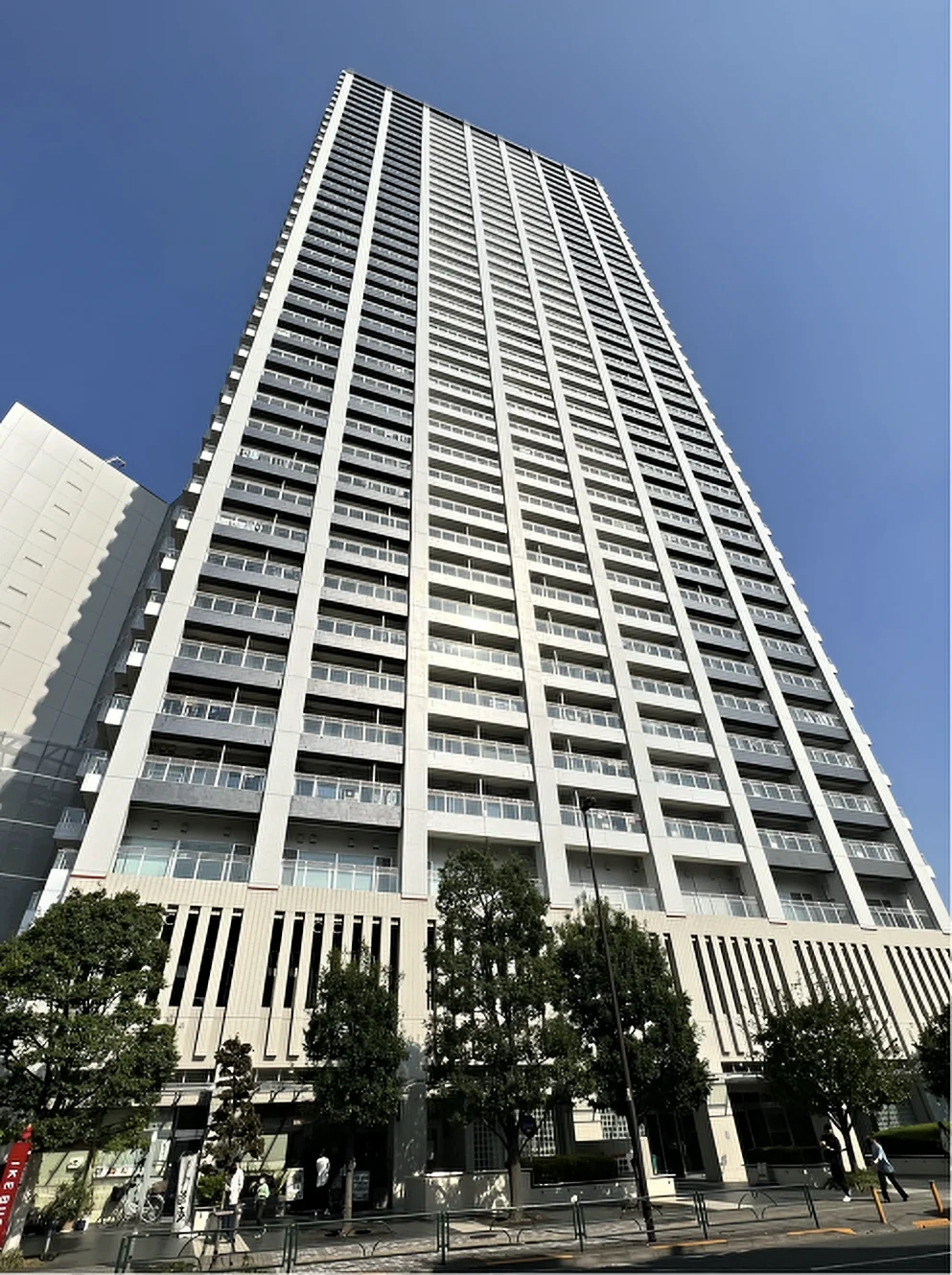
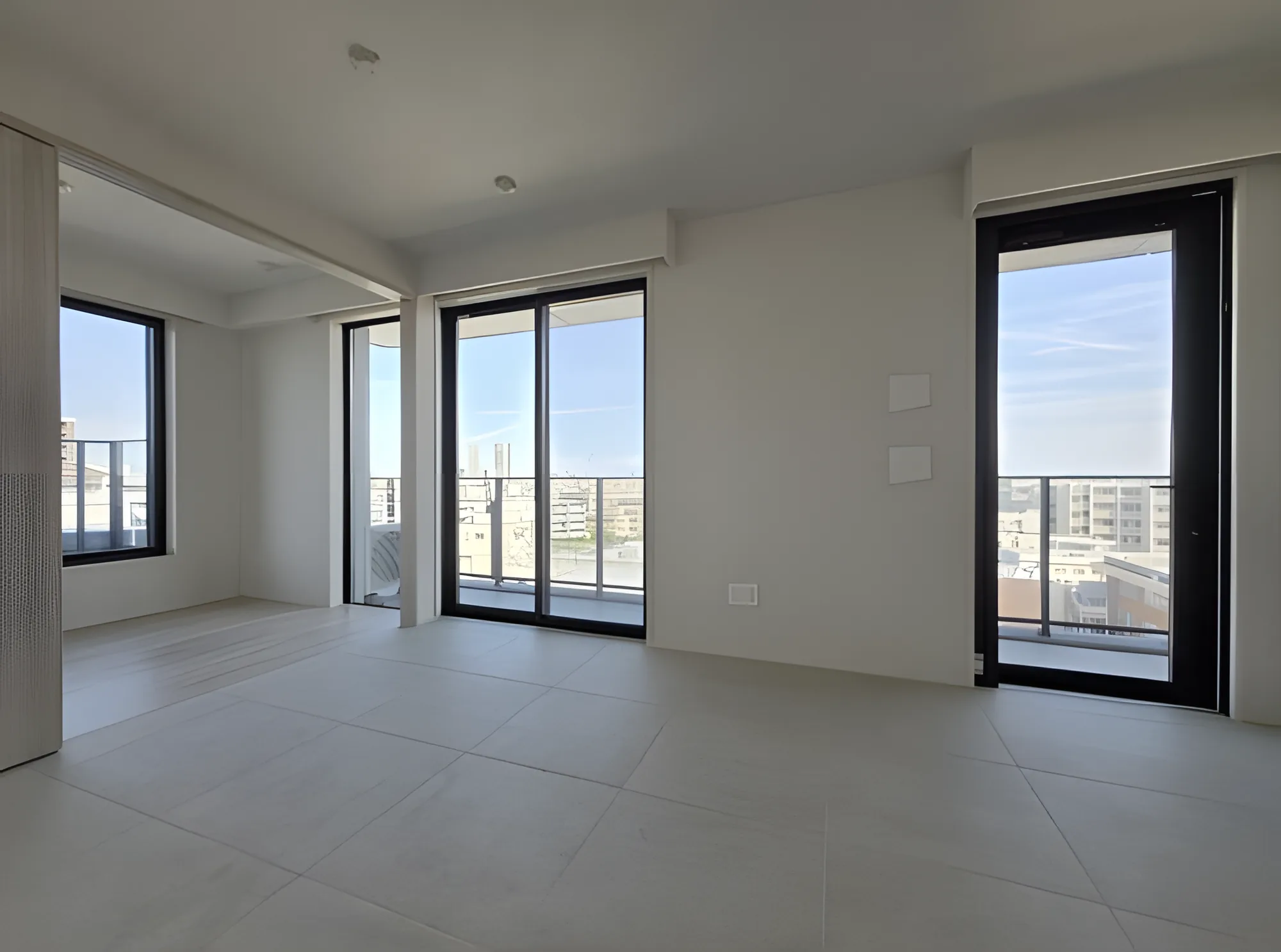
Brillia Tower Tokyo Yaesu Avenue is a twenty-nine storey reinforced concrete tower at 2-10-1 Shinkawa in Chuo Ward, completed in August 2017. This seventh-floor residence is a south-east facing 3LDK of 72.86 sq m on the wall-centre measurement, arranged as a 13-mat living dining room, a 3.5-mat kitchen and western-style rooms of 6, 5 and 4.5 mats, with a balcony of 14.70 sq m.
The kitchen is an island design with a granite worktop and a twin sink; the bathroom and vanity are finished in dark stone-effect panels. Storage is unusually well provided for the size of the residence: a walk-in closet, a shoe-in closet at the entrance, storage in every room and a trunk room. The building has an auto-lock entrance and is managed under a fully outsourced contract with a daytime caretaker by Tokyo Tatemono Amenity Support.
The residence is vacant. Handover is by consultation, and management rules and operating costs are confirmed on enquiry.
| Property Type | Residential Condominium |
|---|---|
| Asking Price | JPY 250,000,000 |
| Address | 2-10-1 Shinkawa, Chuo-ku, Tokyo |
| Nearest Station | Hatchobori Station (JR Keiyo Line) |
| Walking Distance | Approx. 1 min |
| Layout | 3LDK |
| Building Area | 72.86 sq m (wall-centre) |
| Balcony Area | 14.70 sq m |
| Floor | 7th Floor |
| Building Height | 29 Storeys above ground, 1 below |
| Orientation | South-east facing |
| Building Structure | Reinforced Concrete |
| Year Built | August 2017 |
| Zoning | Commercial |
| Tenure | Freehold Ownership |
| Management Fee | JPY 26,400 / month |
| Reserve Fund | JPY 7,000 / month |
| Occupancy | Vacant |
| Handover | By consultation |
| Management | Fully outsourced, daytime caretaker (Tokyo Tatemono Amenity Support) |
| Listing Type | Partner Listing |
Floor area is the wall-centre figure from the listing material and remains subject to verification against the register. Walking times are as stated in the listing material. The source records do not state the total number of residences in the building or the constructor.
Monthly charges are the management fee of JPY 26,400 and the repair reserve contribution of JPY 7,000 as stated in the listing material.
The repair reserve contribution is low for a building completed in 2017 and is likely to rise on the long-term repair plan. The plan and the current balance of the reserve fund are worth confirming before proceeding, and can be requested on enquiry.
The residence is vacant, so viewing and handover are straightforward.
The tower stands at 2-10-1 Shinkawa in Chuo Ward, between the Kameshima river and the Hatchobori interchange. The listing material records Hatchobori Station on the JR Keiyo Line at approximately one minute on foot, Hatchobori on the Tokyo Metro Hibiya Line at five minutes and Kayabacho on the Hibiya Line at eight.
The Keiyo Line runs to Tokyo Station and out along the bay toward Maihama and Kaihin-Makuhari; the Hibiya Line runs through Ginza, Kasumigaseki and Roppongi. Journey times vary with the service and any changes, so none are stated here.
Shinkawa is a quiet riverside pocket of Chuo Ward between Hatchobori and the Sumida river, within walking distance of Nihonbashi and Ginza, with the Tokyo Station district a short ride away.
The map indicates the location of BRILLIA TOWER TOKYO YAESU AVENUE. Walking times above are as stated in the listing material.
Open in Google MapsRents, land prices and transaction prices in Tokyo have all been moving upward.
In the At Home – Sumitomo Mitsui Trust Research Institute Mansion Rent Index for Q1 2026, the family-type index for Tokyo’s 23 wards — units of 60 to under 100 sq m, the band this 72.86 sq m residence falls into — rose approximately 12.3% year on year.
In the Reiwa 8 (2026) Official Land Price Survey, residential land in Chuo Ward rose 13.8% on the previous year, and the all-use average for the ward rose 13.5%. The Ministry of Land, Infrastructure, Transport and Tourism’s Real Estate Price Index puts condominium prices in Tokyo at 234.8 for December 2025 against a 2010 average of 100 — a rise of approximately 9.6% on the same month a year earlier.
These figures describe Tokyo’s 23 wards, Chuo Ward and Tokyo as a whole, not this individual property. The rent index covers quality-adjusted contracted rents for condominium-type buildings, not this address; the land figure is an average across all official reference points and is not an appraisal of this address; the price index is a nationwide statistical series for Tokyo. None of them guarantees future rent, value or performance.
Sources:
One minute to the station, in Chuo Ward, vacant, with a 14.70 sq m balcony on a 72.86 sq m home. Each of those is a normal feature; together they describe a residence that is easy to live in and easy to let, and the vacancy means a buyer can see it properly and take it when they want it rather than waiting on a tenant or an owner to move.
The specification is better than the price band suggests — an island kitchen on granite, stone-effect bathroom and vanity, a walk-in closet, a shoe-in closet and a trunk room. Storage is where compact Tokyo apartments usually disappoint, and this one does not.
The one figure I would examine before buying is the repair reserve. JPY 7,000 a month on a 2017 building is low, and low reserves in Japan are not a saving — they are a deferral, settled later either by a step-up in contributions or by a one-off levy when the first major repair cycle arrives. Ask for the long-term repair plan and the current fund balance; that one document tells you more about the next ten years of ownership than anything else in the file. Chuo Ward recorded a 13.8% rise in residential land prices this year.
This property is introduced through a Japanese real estate partner. Availability, price and property details remain subject to confirmation at the time of enquiry.