We gather data objectively from the latest available sources and share what we find useful.
We hope it helps anyone looking for a home in Japan, or considering a business built around property.
“We’re only in Tokyo a few times a year. Could we rent the place out while we’re away, and still use it when we come?”
It is one of the questions we hear most from overseas buyers. With a single condominium, the honest answer is usually no: once a flat is let in Japan, the tenant has strong rights to stay. Left empty, it earns nothing and still costs money every month.
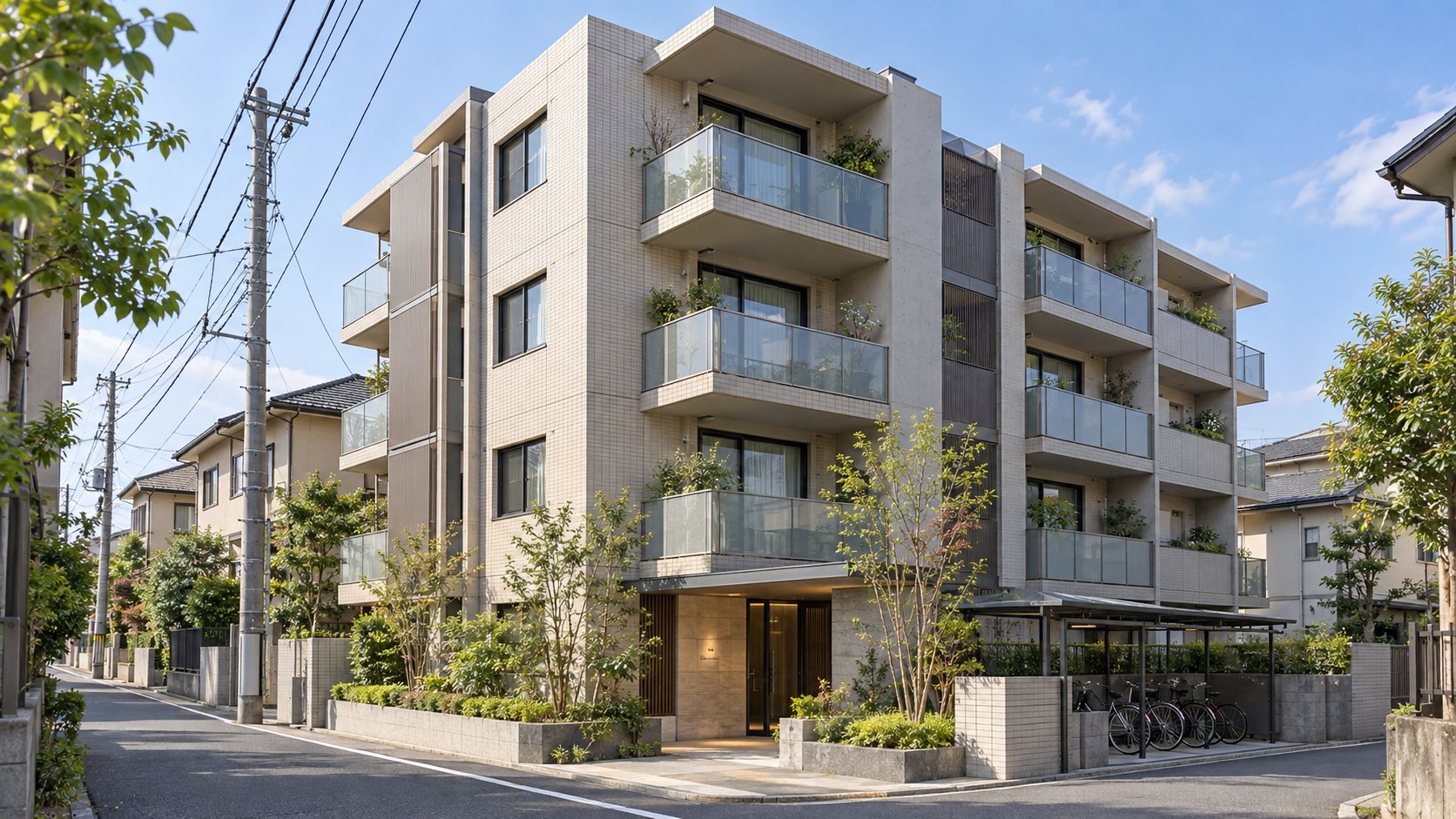
There is a way to have both: own the whole building, keep one flat for yourself, and let the rest.
A Model Case
- Mt Takaoabout 35 min
- Tachikawaabout 6 min
- Kokubunjiyour building
- Kichijojiabout 12 min
- Shinjukuabout 20 min
- Shibuyaabout 30 min
Typical daytime journey times from Kokubunji by JR Chuo Line rapid services (Shibuya with one change at Shinjuku). Tokyo Station is about 40 minutes.
Sources: Tokyo Metropolitan Government, 2026 official land prices by municipality; At Home, asking rents for condominiums in the Tokyo suburbs (Tokyo-to excluding the 23 wards), August 2026.
At about JPY 115,000 a month per flat, the 17 flats bring in about JPY 23.5 million a year. Keep one for yourself, and this is where that rent goes:
Per year, as a share of the JPY 470M price, after running costs (NOI, before tax).
For your information: after also setting aside a repair reserve (about JPY 3M a year), 3.1% with all let and 2.8% with your flat kept.
- JPY 16MLeft for you each year, after running costs
- JPY 6MRunning costs: management, lift and cleaning, taxes, insurance, small repairs, vacancy
- JPY 1.4MRent from your own flat, which you keep instead
For your information: the lighter part of the bar is a repair reserve for future major work (exterior walls, roof, lift), about JPY 3M a year at the national guideline level for condominium buildings. A building of this age needs little for now, but setting it aside would still leave about JPY 13M a year.
Put the other way round: your Tokyo flat costs you only the rent it would otherwise have earned, about JPY 115,000 a month, and the rest of the building pays for itself and more. Compare the usual alternative, a similar flat bought on its own and kept for visits:
Illustrative figures. A comparable condominium in the same area would cost around JPY 40 million.
Why This Way of Living Works
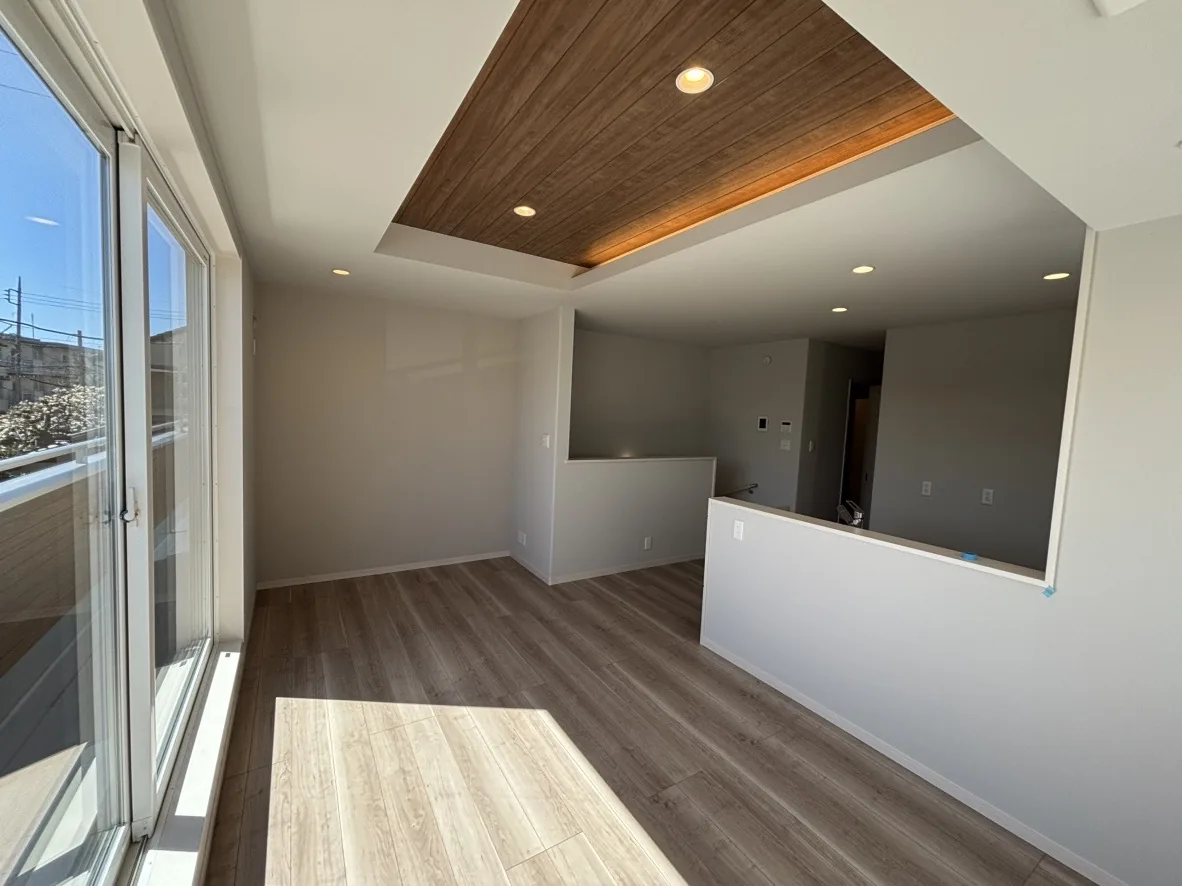
Your flat is never let, so it is ready every time you come, as often as you like. Leave your clothes and books; it is your home.
A local property management company finds tenants, collects rent and arranges repairs. You do not need to be in Tokyo for it to work.
A second home usually only costs money. Here, sixteen flats earn rent every month, all year round.
A place of your own in a real Tokyo neighbourhood, and a foothold for your family if anyone ever wants to spend longer here.
A Year in This Life
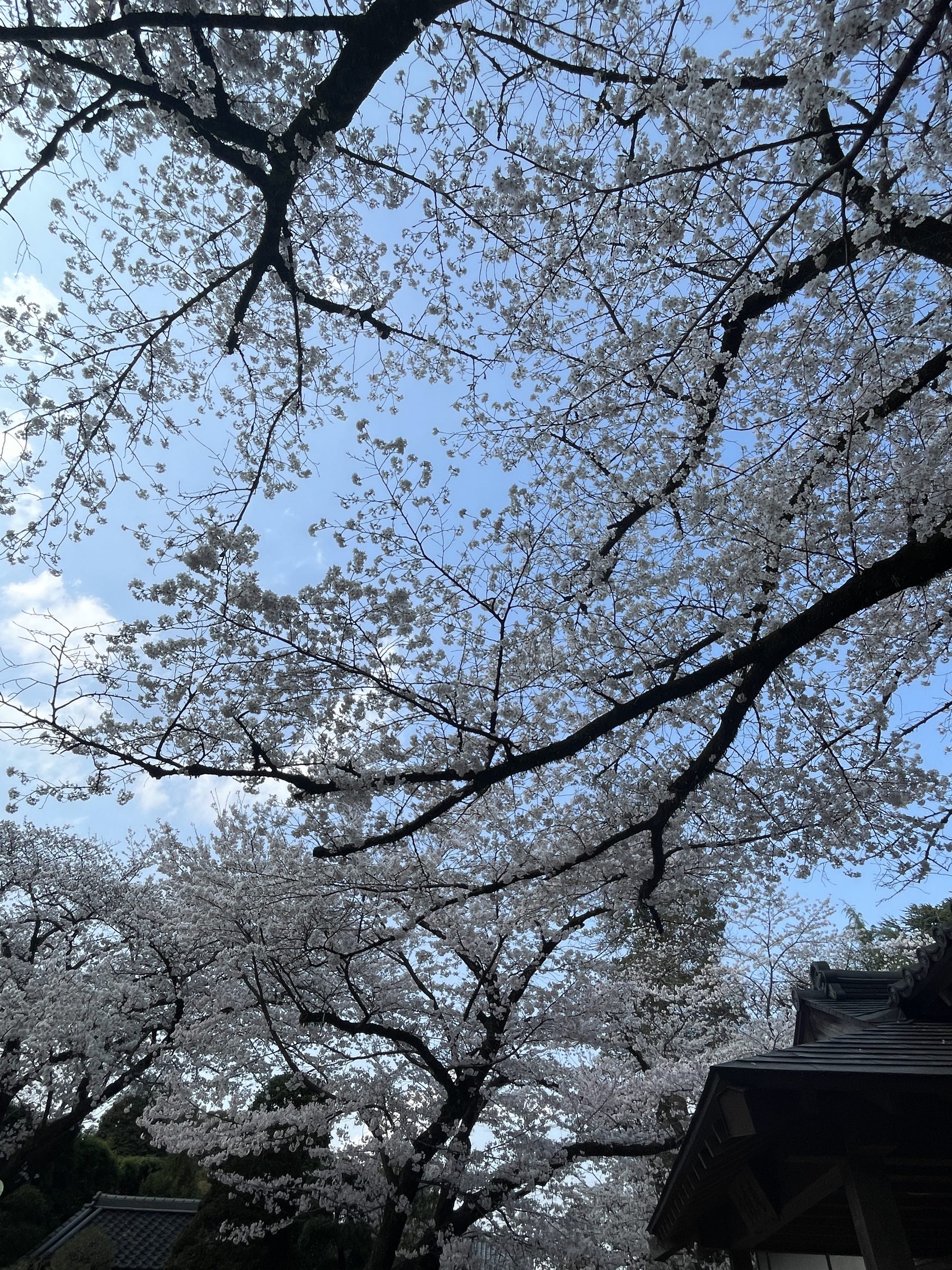
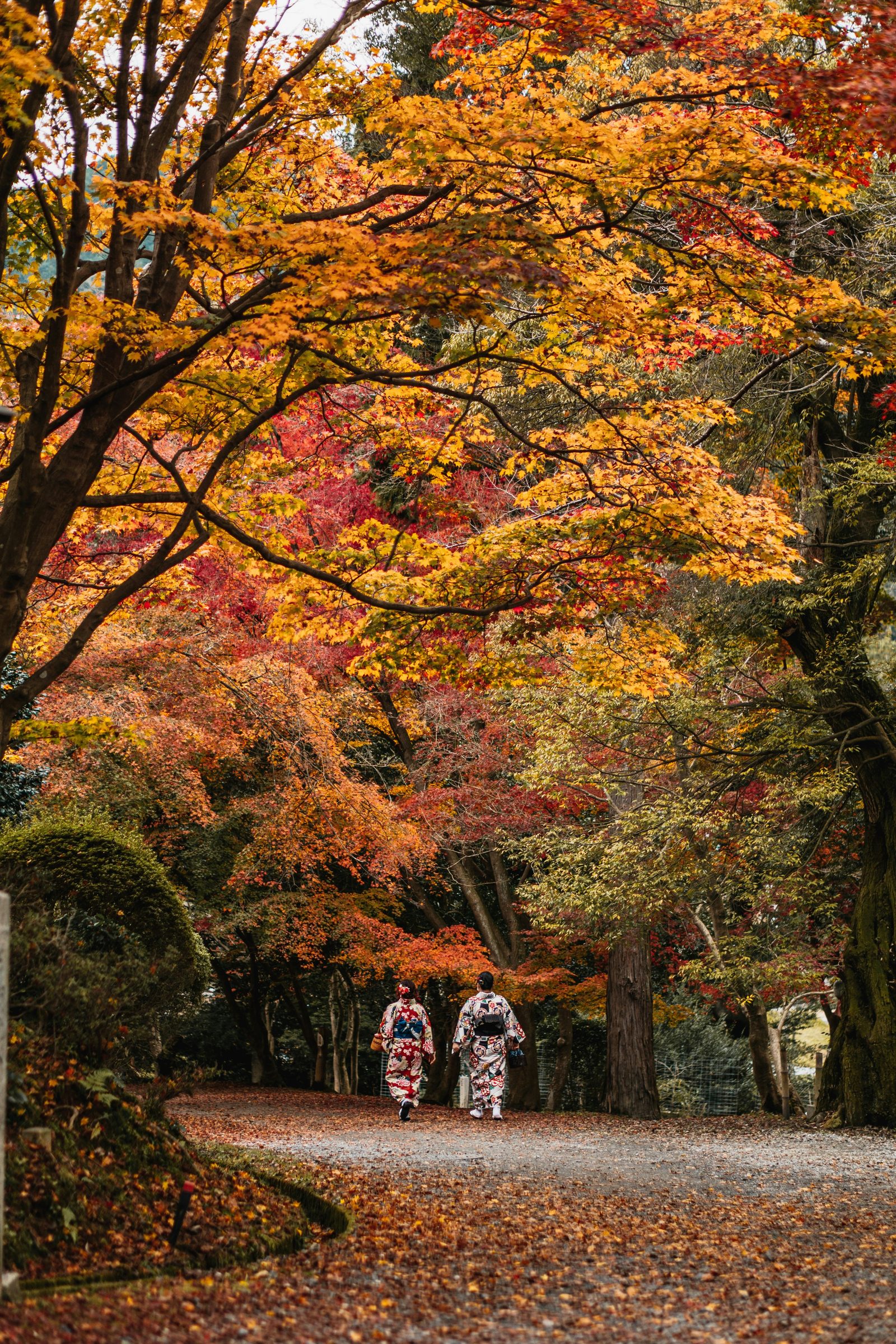
Japan makes this easy. Visitors from 74 countries and regions need no visa for stays of up to 90 days, so you can come for the cherry blossoms, again in autumn, and once more for the New Year. (More in Does Buying Property in Japan Give You a Visa?)
How Buildings Like This Are Found
There is no shortage of buildings like this. Tokyo has a great many small apartment buildings, and they change hands all the time. What surprises many overseas buyers is that you will rarely see them advertised. Each building is different, so they are shared among brokers rather than placed on public portals.
Property information in Japan sits in several layers, and the public listings are only the top one. We explain how those layers work in Why English Property Portals Show Only Part of the Japanese Market. For a building like this, the realistic route is to find an agent you trust and have them search the broker-only networks for one that matches what you want.
Neighbourhood, budget, and the flat you would like for yourself.
Across the broker-only networks, where most buildings are listed.
Compare the few that fit, then visit the best on your next trip.
A building takes more capital than a single flat, and the right one is worth waiting for. For a family that wants a real place in Tokyo rather than a hotel room, and does not want it standing empty most of the year, we think it is one of the most rewarding ways to own here.
Frequently Asked Questions
Can I rent out my Tokyo condominium and still use it when I visit?
Usually not. Once a flat is let in Japan, the tenant has strong rights to stay, so it will not be free when you arrive. Kept empty instead, it earns nothing and still costs money every month.
How can an overseas family have a home in Tokyo that also earns rental income?
One way is to buy an apartment building, keep one flat for yourself and let the rest. Your flat is never let, so it is ready whenever you come, and a local property management company runs the let flats.
How much income could a Tokyo apartment building with one flat kept for the owner produce?
In our model case, based on the kind of building on the market in Kokubunji on the JR Chuo Line in autumn 2026, a four-storey reinforced concrete building from 2015 with 17 one-bedroom flats of about 40 sqm costs JPY 470 million, a gross yield of 5.0% with all 17 let at about JPY 115,000 a month. Keeping one flat, about JPY 16 million a year (3.4% of the price) remains after running costs of about JPY 6 million; with all 17 let it would be about JPY 17 million (3.6%). Setting aside a repair reserve of about JPY 3 million a year would leave about JPY 13 million. A similar condominium kept empty for visits would cost about JPY 0.5 million a year.
Do I need a visa to use a second home in Japan?
Visitors from 74 countries and regions need no visa for stays of up to 90 days, so several visits a year are easy.
How do I find an apartment building for sale in Tokyo?
Whole buildings and investment properties are rarely advertised; they are mostly shared among brokers rather than placed on public portals. The realistic route is to find an agent you trust and have them search the broker-only networks for a building that matches what you want.
Sources
General information only, not legal, tax or investment advice.