Quick answers
- Why can't I find many Japanese properties on English-language websites?
- English-language portals show a small, curated selection, mostly condominiums.
- How many properties are listed for sale in Japan each year?
- In 2025 there were 1.46 million new registrations of properties for sale on REINS, Japan's designated real estate transaction network, or 121,000 a month on average, plus 2.48 million rental registrations counted separately.
- What is REINS in Japan, and do all properties get advertised publicly?
- REINS is Japan's designated real estate transaction network, where properties offered for sale through brokers are registered, and it is used by licensed brokers to review properties and confirm conditions.
We gather data objectively from the latest available sources and share what we find useful.
We hope it helps anyone looking for a home in Japan, or considering a business built around property.
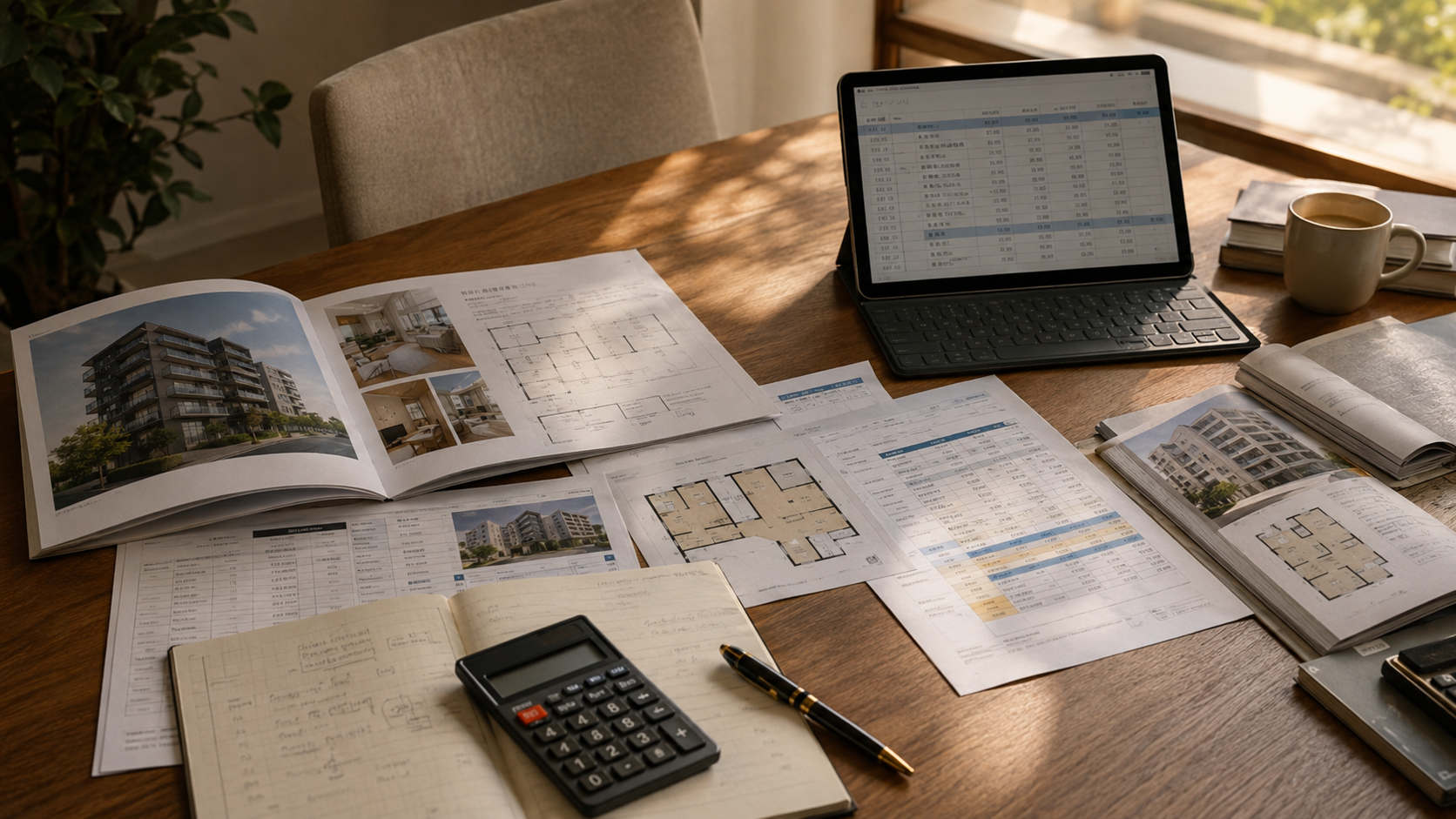
English-language portals show a small, curated selection, mostly condominiums. Investment property, whole buildings and houses are advertised far less, and even in central Tokyo many details circulate only between brokers. The right property is often found through a local agent you can trust, one who takes the time to understand what you are looking for.
The market is far larger than what appears in English
Properties offered for sale through brokers are registered on REINS, Japan’s designated real estate transaction network. In 2025:
Condominiums are only about a third of the properties registered for sale:
Source: Real Estate Transaction Promotion Center, Use of the Designated Real Estate Transaction Networks (2025). Figures count registrations, not individual properties.
An English-language portal shows what has been selected and translated for an overseas audience, a narrow window onto this activity.
Where property information sits
This is not about hidden bargains. It is simply how information becomes visible, and to whom.
English-language portals
A small selection prepared for overseas buyers.
Japanese public portals
Much wider, but limited to publicly advertised properties.
REINS and broker channels
Used by licensed brokers to review properties and confirm conditions.
Before public release
Some properties are reviewed before they are advertised, and some are never advertised at all.
Whether a property can be advertised depends on the seller’s consent and the transaction conditions.
Widely advertised, with plenty of listings and price data. Even here, many details for buildings popular with overseas investors are shared only between brokers.
Many change hands with little public advertising.
In either case, searching listings is often not enough. If there is a building or a type of property you are interested in, it tends to work better to share your needs with a local agent or partner you can trust, and who takes the time to understand what you need. They can search the broker networks, or trace a public listing back to its source, and then work through the terms with the seller.
What a listing does not show
A listing is a starting point. The asking price is the seller’s figure; some prices can be negotiated and some cannot. An unusually low price or high yield usually has a reason, and these are the areas where it tends to be found:
Repair history, deferred maintenance and future capital costs that fall on the owner later.
Transport, tenant demand, development and whether land values and rents are rising, holding or declining.
Railway noise, roads, sunlight and neighbouring uses, which are hard to judge from photos.
The management agreement, lease terms, operating restrictions and handover conditions.
Comparison is what builds judgement
One property on its own can mislead. Set beside similar buildings, areas and prices, its strengths and weaknesses become clear. Over time, that comparison becomes a sense of what is fine, what needs caution and what is better left alone. Our own view formed this way, by reviewing properties as owner-investors ourselves.
- Starts with available listings
- Compares price, photos, yield and location
- Ends when a property is found
- Starts with the buyer’s purpose
- Reviews fit, management, risk and long-term use
- Continues through the purchase and ownership planning
No review removes every risk. For an overseas buyer who cannot easily inspect a building, compare neighbourhoods in person or manage a property across a time difference, it helps to slow down at the right moments and ask the questions a listing does not answer.
Frequently Asked Questions
Why can't I find many Japanese properties on English-language websites?
English-language portals show a small, curated selection, mostly condominiums. Investment property, whole buildings and houses are advertised far less, and even in central Tokyo many details circulate only between brokers. An English portal shows what has been selected and translated for an overseas audience, a narrow window onto the wider Japanese market.
How many properties are listed for sale in Japan each year?
In 2025 there were 1.46 million new registrations of properties for sale on REINS, Japan's designated real estate transaction network, or 121,000 a month on average, plus 2.48 million rental registrations counted separately. Condominiums were only about a third: 471,950, against 503,111 detached houses, 380,304 land and 102,719 non-residential buildings. These count registrations, not individual properties.
What is REINS in Japan, and do all properties get advertised publicly?
REINS is Japan's designated real estate transaction network, where properties offered for sale through brokers are registered, and it is used by licensed brokers to review properties and confirm conditions. Not everything is advertised: some properties are reviewed before they are advertised, and some never are. Whether a property can be advertised depends on the seller's consent and the transaction conditions.
What should overseas buyers check beyond a property listing in Japan?
A listing is a starting point, and an unusually low price or high yield usually has a reason. Check building condition, including repair history and future capital costs; location, including transport, tenant demand and land value and rent trends; surroundings such as railway noise, roads and sunlight; and management and contracts, including lease terms, operating restrictions and handover conditions.
How do foreigners find investment property or whole buildings for sale in Japan?
Investment and commercial property, whole buildings and detached houses are less often advertised, and many change hands with little public advertising. Searching listings is often not enough. It tends to work better to share your needs with a trusted local agent or partner, who can search the broker networks or trace a public listing to its source and work through the terms with the seller.
General information only, not legal, tax or investment advice.